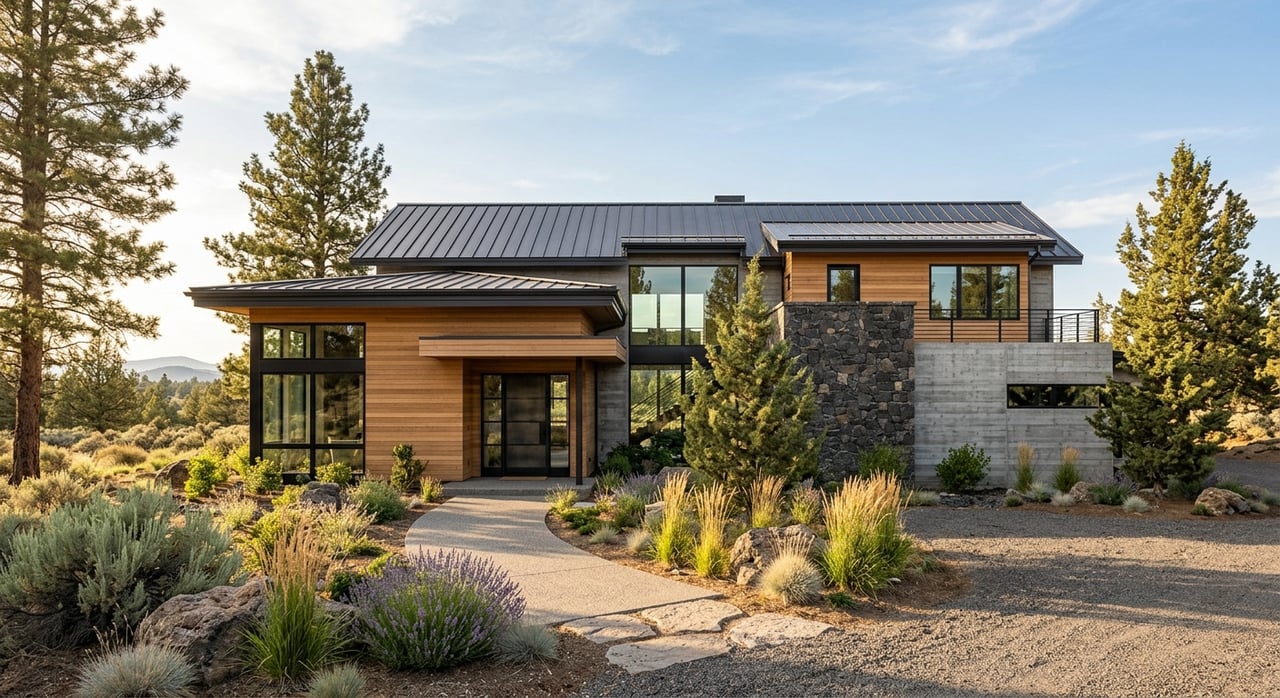
Buying Land in Jefferson County, Oregon: What to Check
July 16, 2026
July 16, 2026
Buying land in Jefferson County can feel simple at first. You find a parcel, picture the future, and start thinking about price. But rural land here comes with a different set of questions than a typical home purchase. If you want to avoid surprises, you need to understand what the land can legally do, how it can be served, and what costs or limits may come with it. Let’s dive in.
Before you look at maps, fences, or views, get clear on what you want the land to do for you. In Jefferson County, that goal shapes nearly every due diligence step.
If you want a future homesite, your early questions should focus on whether a dwelling is allowed in the current zone, whether septic is feasible, and whether the site can support a legal driveway and utility layout. Jefferson County notes that site plan review looks at setbacks, easements, driveway and utility locations, and other site details.
If you want land for small-scale agriculture, the conversation changes. Soils, slope, climate, irrigation water, and water rights can all affect what is realistic. Oregon State University Extension also notes that domestic wells are generally meant for household use and a limited lawn or garden area, not broader irrigation needs.
If your plan is a long-term hold, think beyond the purchase price. Carrying costs, property tax treatment, and future resale clarity matter. Oregon’s farm and forest special assessment programs may affect taxes, but changing the land away from a qualifying use can create added tax exposure.
Jefferson County treats land use as a regulated process, not just a matter of owning a parcel. According to county materials, allowed uses are determined by state land-use rules and local ordinances.
The county also outlines a typical development path: land-use approval first, then on-site septic evaluation, then site plan and building plan review. That order matters because a parcel that looks buildable in person may still face legal or practical limits.
County planning materials also point to common rural challenges. Some areas have high water tables that can limit septic drainfields, and remote parcels may require expensive service or utility runs over long distances. Agricultural and forest land protections can also affect what is allowed today and what might be possible later.
Zoning should be one of your first checks, not one of your last. A lower price does not help much if the land does not support your intended use.
Jefferson County says zoning can be searched, and its zoning ordinance identifies allowed and prohibited uses as well as the review process for development proposals. That means you should confirm whether the current zoning supports a home, farm use, forest use, or a narrower path.
This is especially important if you are buying with a future plan in mind. A parcel may look like a great homesite, but if a dwelling is not allowed under current zoning, your plans could stall quickly.
Access is another big issue for rural land in Jefferson County. You do not want to assume that a visible road or driveway means simple, legal, year-round access.
Jefferson County distinguishes between county roads, public usage roads, and local access roads. The county notes that local access roads can be public roads but still may not be maintained by the county or another agency.
That distinction can affect both cost and convenience. Before you buy, ask what type of road serves the parcel, whether access is recorded, and who is responsible for maintenance.
The county also cautions that its GIS data is for reference only. It does not establish survey-grade boundaries or the legal status of access routes. That is one reason title review and, when needed, a survey are so important.
For many buyers, water and wastewater are the make-or-break items. A parcel can look perfect on paper and still be difficult or costly to improve.
Jefferson County says the typical development process starts with land-use review and then moves to on-site septic evaluation based on soil pits in the proposed drainfield area. If you hope to build later, ask whether a septic site evaluation has already been done and whether there is a realistic area for the drainfield, driveway, and utilities.
Water deserves the same level of attention. If the parcel has a domestic well, Oregon requires the seller to provide required well-test results and the RET form when the sale involves a domestic well. If no well exists and one may be needed, the Oregon Water Resources Department recommends using a licensed bonded well constructor because well construction is complex.
If you plan to irrigate, ask even more questions. The Oregon Water Resources Department says a permit is generally required to use groundwater or surface water, and groundwater permits are a separate application type. In irrigation districts, Oregon State University Extension notes that the district may hold the underlying water right, so you should verify whether the parcel actually has delivery rights.
Natural hazard review is an important step, especially with rural or partially improved land. A beautiful setting near water or in a more remote area can also come with added planning questions.
Jefferson County planning materials identify flood hazards as a local concern. If a parcel is near water, review floodplain rules early so you understand how they may affect building or future improvements.
Wildfire readiness also matters in many parts of Central Oregon. Jefferson County’s emergency management resources publish evacuation zones for alerting residents during wildfire emergencies. If you are considering a rural or wooded parcel, ask how emergency access and alerts may affect your comfort with the location.
A map screenshot is never enough for a land purchase. Recorded documents tell you much more about what comes with the parcel and what may burden it.
Jefferson County’s clerk preserves records affecting title to real property. That is why a title report matters, and why a survey may be worth the added cost when boundaries, access, or easements are unclear.
Easements can affect where you build, how utilities are installed, and whether others have rights across parts of the land. Since the county also states that GIS should not be used as survey or engineering evidence, buyers should rely on formal records rather than assumptions.
A strong land purchase starts with clear questions. Here are some of the most important ones to ask before you make an offer in Jefferson County:
These questions help you move from a general idea to a more informed decision. They can also help you compare parcels that may look similar at first glance but function very differently in practice.
Land purchases often require more moving parts than buying an existing home. The right local contacts can help you verify facts before your risk and costs grow.
Based on Jefferson County’s process, helpful professionals may include Community Development staff, On-Site Septic Program staff, a licensed septic installer, the county assessor for tax status and special assessments, a title officer, and a surveyor. For irrigation and water-right questions, the Oregon Water Resources Department or local watermaster may also be relevant.
If a new well is needed, a licensed well constructor should be part of the conversation. The goal is not to overcomplicate the purchase. It is to make sure your plan matches what the parcel can actually support.
Even if you plan to hold the property for years, resale still matters. A parcel is usually easier to explain and market later when the basics are clear and documented.
In practical terms, that means clear legal access, a documented path to building, and fewer surprises around water or septic. Special assessment status may also help with carrying costs, but you should understand the potential tax consequences if the use changes later.
When buyers can quickly understand zoning, access, title, and utility potential, the property often feels more straightforward. That clarity can matter just as much as acreage or view.
Buying land in Jefferson County can open the door to a future homesite, a small farm, or a long-term investment. The key is to verify zoning, access, water, septic, and title before you get too attached to a price or a vision. If you want a clear, locally informed approach to evaluating land in Central Oregon, connect with Brandon Cook Bostick.
We bring unmatched expertise to the Redmond real estate market. Whether you are buying a Central Oregon home or selling a property, the Brandon Cook Bostick Team provides dedicated guidance. Trust us to navigate your real estate journey, ensuring your goals are met with ease.
Brandon Cook Bostick
535 SW 6th St Ste 101 Redmond, OR 97756