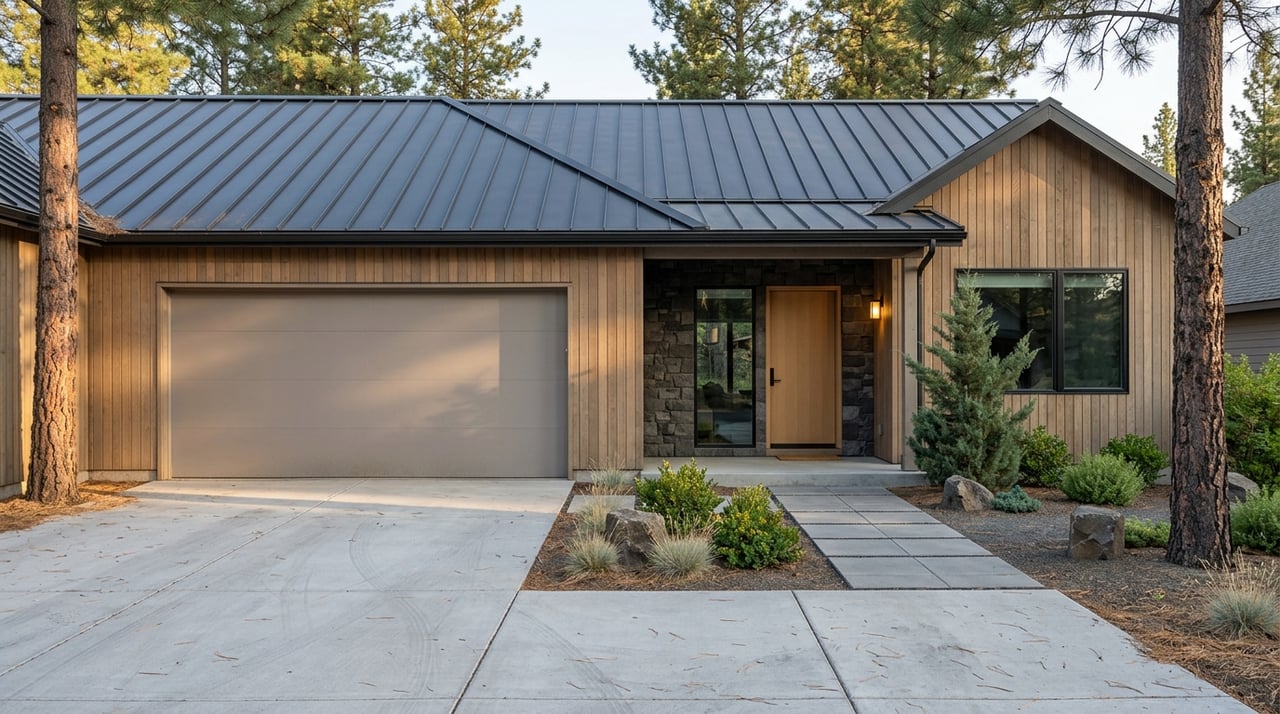
Living in Bend Oregon: What Daily Life Really Feels Like
May 28, 2026
May 28, 2026
If you are thinking about living in Bend, you probably want more than postcard views and vacation-style highlights. You want to know what a normal week feels like, how easy it is to get around, and whether the day-to-day pace matches the life you want to build. The good news is that Bend offers a mix of practical convenience, outdoor access, and strong seasonal rhythm that feels livable year-round. Let’s take a closer look at what everyday life in Bend really looks like.
Bend is a mid-sized city in Central Oregon with an estimated 2024 population of 106,926. The city includes 44,436 households, and the average household size is 2.31. That creates a community that feels active and varied without feeling overwhelmingly large.
Daily life in Bend reflects a wide mix of ages and stages. About 19.9% of residents are under 18, and 17.4% are 65 or older. In practical terms, that helps explain why Bend often feels like a blend of work schedules, school routines, outdoor hobbies, and retirement-focused living.
One of the most noticeable parts of everyday life in Bend is that many errands and commutes feel relatively straightforward. According to 2020-2024 ACS data, the mean travel time to work is 16.3 minutes. For many people, that means less time in the car and more time for family, hobbies, or simply enjoying where you live.
That shorter commute can shape the whole rhythm of your week. A quick drive to work, easier access to appointments, and shorter trips for daily tasks can make Bend feel more balanced than larger metro areas. If you are relocating from a busier city, that shift may stand out right away.
The City of Bend says its Transportation and Mobility Department focuses on maintaining roadways, improving street connectivity, adding parking capacity where needed, and handling winter road maintenance. That matters because Bend is a city where driving is still part of daily life for many residents, even with other transportation options available.
Parking is also part of the conversation in some of the city’s busier areas. Downtown Bend and Old Bend use managed parking districts, which can affect how you plan quick stops, dining outings, or event nights. It is a practical detail, but one that helps shape the real everyday experience.
Public transit is part of Bend’s routine too. Cascades East Transit operates nine fixed routes in Bend Monday through Saturday, along with Bend Dial-A-Ride, community connectors, and recreation shuttles. That gives residents another option for local trips and regional travel.
Those transit connections also link Bend with nearby communities like Redmond, Sisters, Prineville, Madras, La Pine, and Warm Springs. So while Bend can feel compact in your day-to-day life, it is still connected to the broader Central Oregon region.
Bend also supports a bike-share program, which fits naturally with the city’s active lifestyle. For some residents, biking is not just recreation. It can also be part of short daily trips, especially in and around central areas.
For regional air access, Bend Municipal Airport is about five miles northeast of town. The city describes it as Oregon’s third busiest airport for takeoffs and landings. While many residents will not use it every day, it adds to Bend’s overall accessibility and regional utility.
In Bend, outdoor recreation is not just a weekend plan. It often becomes part of your everyday routine. That is one of the biggest reasons the city appeals to both full-time residents and people considering a move.
Bend Park & Recreation District says the Deschutes River Trail runs more than 12 miles through the heart of Bend. That kind of access means a walk, run, or bike ride can fit into a lunch break, an early morning, or an evening after work without needing a long drive.
Riley Ranch Nature Reserve gives residents another option close to home. This 184-acre park sits on the northwest edge of town and includes canyon-floor access along the Deschutes River. Spaces like this help everyday life in Bend feel connected to the outdoors even on ordinary weekdays.
The local trail network also shifts with the seasons. Bend Park & Recreation District notes that some trails become part of a winter recreation system when snow arrives. Residents can find cross-country skiing and snowshoeing opportunities at places like Shevlin Park, Skyline Sports Complex, Riley Ranch, and the Cascade Highlands Trail.
Beyond city parks, Bend is surrounded by a broader recreation landscape. The Deschutes National Forest covers nearly 1.6 million acres and offers year-round recreation. The Forest Service describes the Bend, Sunriver, and La Pine area as a high-desert recreation region with snow-capped peaks, rivers, lakes, wildlife, and trails.
Mt. Bachelor adds to that four-season pattern with winter skiing and snowboarding, plus summer biking and other warm-season activities. Even if you are not on the mountain every weekend, living in Bend often means being aware of what the season makes possible.
Everyday life is not only about work and recreation. It is also about where you grab lunch, how often you meet friends, and what your calendar looks like through the year. Bend has enough food and hospitality activity to stand out in Census data, with accommodation and food-services sales totaling $575.2 million in 2022.
That scale supports a dining and gathering scene that feels active for a city of Bend’s size. You are not relying on a single busy district or one short tourist season. Instead, food and hospitality are part of the local rhythm.
For many residents, the Bend Farmers Market is a recurring part of life from May through October. It runs on Wednesdays from 11 a.m. to 3 p.m. and focuses on local produce, protein, and farm products rather than crafts. That gives the market a practical, everyday feel rather than a one-time festival atmosphere.
Events also help shape Bend’s year-round rhythm. Visit Bend identifies its event calendar as the main resource for local happenings, and the city’s event lineup spans multiple seasons. Oregon WinterFest brings more than 20,000 people to the Old Mill over a President’s Day weekend, BendFilm reports more than 6,000 attendees and over 130 films during its annual festival, and Bend Fall Festival is billed as the largest art festival in Central Oregon.
If you live in Bend, the seasons do more than change the weather. They often change your routines, your gear, and the time of day you prefer to be outside. That seasonal swing is one of the clearest parts of daily life here.
NOAA’s 1991-2020 normals place the Bend station at 3,660 feet. The annual mean temperature is 47.6 degrees, annual precipitation is 10.62 inches, and annual snowfall is 21.6 inches. Those numbers support Bend’s reputation as a high-desert city with four distinct seasons.
Winter is cold and snowy. January averages a daily high of 42.5 degrees and a daily low of 24.6 degrees, with 6.4 inches of snowfall. In real life, that means winter road conditions, snow-aware planning, and a stronger pull toward seasonal recreation.
The city’s focus on winter road maintenance matters here. So does the way local trails and nearby recreation areas shift into snow-season use. For many residents, winter in Bend means adapting your schedule a bit, dressing for conditions, and taking advantage of what the season offers.
Summer brings a very different rhythm. July averages 83.8 degrees for the daily high and 48.6 degrees for the daily low, with just 0.44 inches of precipitation. That creates warm, dry conditions that often push outdoor time into the early morning or evening.
In practical terms, summer in Bend can mean packed patios, trail outings, river time, and community events filling the calendar. The dry climate is part of the appeal, but it also shapes how people plan their days.
For many people, Bend feels like a place where ordinary life comes with easier access to the things that help you recharge. A shorter average commute, a connected trail system, regional transit links, and a full calendar of seasonal events all contribute to that feeling. It is not just scenic. It is functional.
At the same time, Bend is not one-note. It supports different routines and priorities, from working professionals and households with children to retirees and second-home owners. That range is part of what makes the city feel lived-in rather than purely recreational.
If you are considering a move, the key question is not only whether Bend is beautiful. It is whether its daily rhythm matches the way you want to live. For many buyers, that answer comes down to balancing convenience, outdoor access, and the pace of Central Oregon life.
If you want help exploring Bend and the surrounding Central Oregon market, Brandon Cook Bostick offers knowledgeable, responsive guidance to help you find the right fit for your lifestyle and goals.
We bring unmatched expertise to the Redmond real estate market. Whether you are buying a Central Oregon home or selling a property, the Brandon Cook Bostick Team provides dedicated guidance. Trust us to navigate your real estate journey, ensuring your goals are met with ease.
Brandon Cook Bostick
535 SW 6th St Ste 101 Redmond, OR 97756